
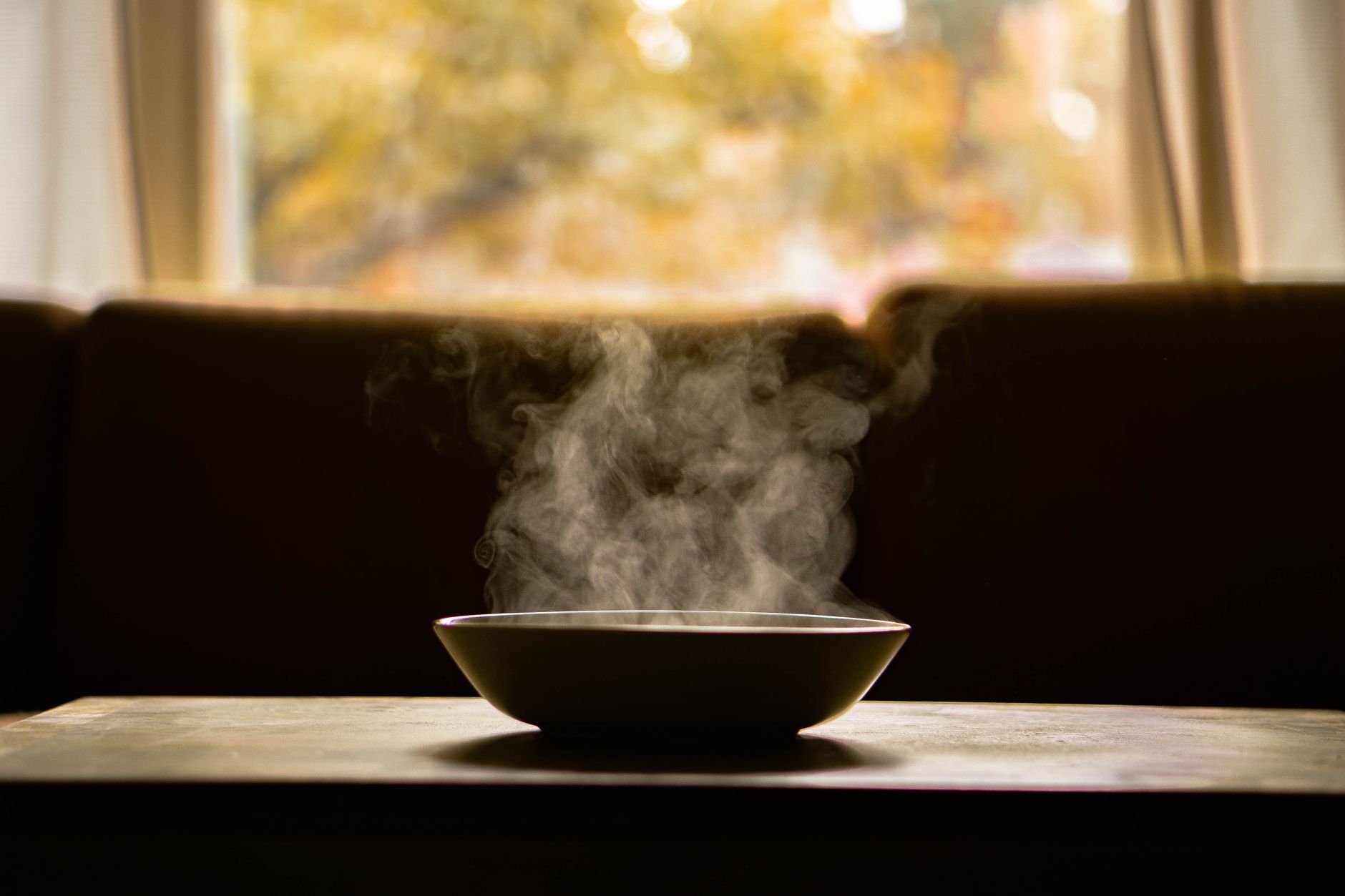
You’ve probably heard someone say that watermelon is “cooling” or that ginger is “warming.” Maybe you’ve seen it on a menu, in a wellness blog, or heard it from a friend who’s into Traditional Chinese Medicine. But what does that actually mean? It’s not about temperature. A bowl of hot soup can be cooling. A plate of cold fruit can be warming. The classification has nothing to do with how the food feels in your mouth and everything to do with how it’s believed to affect your body’s internal balance.
The Core Idea: Food as Energy
In TCM, every food carries a certain energetic quality. This is called its “nature” or “thermal nature.” The system classifies foods into five main categories: cold, cool, neutral, warm, and hot. These categories describe the effect a food is thought to have on your body’s internal environment, not its physical temperature.
Think of it like this: eating a food is like adding an ingredient to a fire. Some ingredients make the fire burn hotter. Others cool it down. The goal is to keep the fire at a steady, comfortable level. In TCM, that steady level is called balance — specifically, the balance between yin and yang.
Cold and cool foods are considered yin in nature. They are believed to reduce heat, calm inflammation, and moisten the body. Warm and hot foods are considered yang. They are thought to stimulate circulation, warm the body, and boost metabolism. Neutral foods sit in the middle and are considered gentle and balancing.
How Is a Food’s Nature Determined?
This is where the system gets interesting. The thermal nature of a food wasn’t decided by lab tests. It was determined through centuries of observation. Practitioners noticed that certain foods produced consistent effects in people. If someone ate a particular food and felt cooler, less inflamed, or more relaxed, that food was classified as cooling. If someone ate something and felt warmer, more energetic, or more flushed, that food was classified as warming.
For example, watermelon is considered very cooling. This makes intuitive sense if you think about it. Watermelon is mostly water. It’s eaten in summer. It feels refreshing. In TCM, it’s described as clearing heat and relieving thirst. On the other end of the spectrum, lamb is considered very warming. It’s often eaten in colder months. It’s rich and heavy. In TCM, it’s said to warm the body and nourish yang.
But not all classifications are so obvious. Take green tea. It’s served hot, but in TCM, it’s considered cooling. The heat of the water doesn’t change its nature. The tea itself is believed to clear heat and reduce inflammation. Coffee, on the other hand, is considered warming. It’s thought to stimulate circulation and boost energy — which matches what many people experience.
The Role of the Five Flavors
Thermal nature is only part of the picture. In TCM, foods are also classified by their flavor: sour, bitter, sweet, pungent, and salty. Each flavor is associated with a specific action in the body. And flavor often correlates with thermal nature.
Pungent foods — like ginger, garlic, and chili — are almost always warming. They are believed to promote circulation and move energy. Bitter foods — like dandelion greens, bitter melon, and coffee — tend to be cooling. They are thought to clear heat and dry dampness. Sweet foods are usually neutral or slightly warming. They are considered nourishing and harmonizing.
This is why a single ingredient can be understood on multiple levels. Ginger is pungent and warming. It’s used to warm the body and treat colds. Watermelon is sweet and cooling. It’s used to cool the body in summer heat. The combination of flavor and thermal nature gives practitioners a detailed map of how a food might affect someone.
Why Does This Matter?
In TCM, health is about balance. Illness is often seen as an imbalance — too much heat, too much cold, too much dampness, or too much dryness. Food is one of the primary tools for correcting these imbalances.
If someone has signs of excess heat — like a red face, a fever, irritability, or a sore throat — a TCM practitioner might recommend cooling foods like cucumber, mint, or watermelon. If someone has signs of excess cold — like pale skin, cold hands and feet, low energy, or digestive sluggishness — warming foods like ginger, cinnamon, or lamb might be suggested.
This is also why TCM pays attention to seasons. In summer, when external heat is high, cooling foods are naturally emphasized. In winter, warming foods help the body stay warm and maintain energy. It’s a system that connects what you eat to the world around you.
Common Cooling Foods
Here are some foods that are generally considered cooling in TCM:
- Watermelon
- Cucumber
- Mint
- Green tea
- Bitter melon
- Lettuce
- Celery
- Tofu
- Bananas
- Coconut water
Some people find these foods helpful in hot weather or if they tend to run “hot” — those who feel warm easily, have a strong thirst, or experience inflammation.
Common Warming Foods
And here are some foods that are generally considered warming:
- Ginger
- Garlic
- Cinnamon
- Lamb
- Chicken
- Black pepper
- Chili peppers
- Walnuts
- Cherries
- Coffee
Some people find these foods helpful in cold weather or if they tend to run “cold” — those who feel chilly easily, have low energy, or experience poor circulation.
Neutral Foods: The Middle Ground
Neutral foods are considered gentle and balancing. They don’t strongly push the body in either direction. Some people find them useful as everyday staples, especially if they have sensitive digestion or are unsure about their current balance.
Examples of neutral foods include:
- Rice
- Potatoes
- Carrots
- Eggs
- Milk
- Most beans
- Pork
- Honey
These foods form the foundation of many traditional diets. They are nourishing without being extreme.
How Cooking Changes Things
Here’s where it gets even more nuanced. The way you prepare a food can change its thermal nature. Cooking methods matter.
Raw foods are generally more cooling. A raw salad is considered very cooling. Steaming or boiling makes foods slightly more neutral. Roasting, baking, and frying make foods more warming. Slow-cooking or stewing with warming spices can shift a neutral food into a warming one.
This is why TCM often recommends cooked food over raw food for people with weak digestion. The cooking process is believed to “pre-digest” the food and make it easier for the body to handle. It also reduces the cooling effect, which can be helpful for people who tend to feel cold or sluggish.
For example, a raw apple is considered cooling. A baked apple with cinnamon becomes warming. The apple itself hasn’t changed, but the preparation has shifted its energetic effect.
Individual Differences Matter
One of the most important things to understand about food energetics is that it’s not one-size-fits-all. The same food can affect different people differently, depending on their constitution and current state of balance.
A person who naturally runs hot might find watermelon refreshing and beneficial. A person who runs cold might find that same watermelon makes them feel chilled or bloated. A person with a lot of internal heat might tolerate spicy food well. A person with a weak digestive system might find that same spicy food causes discomfort.
In TCM, the goal is not to follow a rigid list of “good” and “bad” foods. It’s to observe how your body responds and adjust accordingly. This is why TCM practitioners often ask detailed questions about your digestion, energy levels, temperature preferences, and even your mood before making dietary recommendations.
A Note on Modern Research
From a scientific perspective, the concept of food energetics doesn’t have a direct parallel in Western nutrition. There’s no lab test that measures whether a food is “cooling” or “warming.” However, some researchers have noted that many cooling foods tend to be high in water content and certain antioxidants, while many warming foods contain compounds that can stimulate circulation or metabolism.
For example, ginger contains gingerol, which has been studied for its anti-inflammatory and warming effects. Chili peppers contain capsaicin, which can increase body temperature and metabolism. Watermelon is high in water and lycopene, which may have cooling and anti-inflammatory properties. These observations don’t prove the TCM framework, but they do suggest that the system is based on real, observable effects — even if the explanation is different.
What’s clear is that the TCM framework offers a coherent way of thinking about food that goes beyond calories and nutrients. It considers the whole person, the season, and the context. For many people, that’s a useful addition to how they think about eating.
Why This System Has Lasted
The idea that food has energetic properties has been part of Chinese culture for over two thousand years. It appears in some of the oldest medical texts, including the Huangdi Neijing, which was compiled around the 2nd century BCE. The system has been refined, debated, and passed down through generations.
Part of its staying power is its practicality. You don’t need a lab or a degree to use it. You just need to pay attention. If you eat something and feel warm, energized, or flushed, that food is probably warming for you. If you eat something and feel cool, calm, or relaxed, that food is probably cooling for you. The framework gives you a language to describe what you’re already experiencing.
Another reason is its flexibility. The system accounts for individual differences, seasonal changes, and cooking methods. It’s not a rigid set of rules. It’s a set of guidelines that can be adapted to your specific situation.
Frequently Asked Questions
Is the thermal nature of a food the same as its spiciness?
Not exactly. Spiciness is a sensation caused by compounds like capsaicin. In TCM, many spicy foods are considered warming, but not all warming foods are spicy. Lamb, for example, is warming but not spicy. And some cooling foods, like mint, can feel cool in the mouth.
Can a food be both cooling and warming?
In TCM, a food is classified with one primary thermal nature. However, the way it’s prepared or combined with other ingredients can shift its effect. A cooling food cooked with warming spices may become more neutral overall.
Do I need to follow food energetics strictly?
Not at all. Many people find it useful as a general guideline rather than a strict rule. It’s most helpful when you’re trying to address a specific imbalance or when you’re adjusting your diet for the season.
How do I know if I run hot or cold?
Common signs of running hot include feeling warm easily, having a strong thirst, preferring cold drinks, and being prone to inflammation. Signs of running cold include feeling chilly, having cold hands and feet, low energy, and preferring warm drinks. A TCM practitioner can give you a more detailed assessment.
Related TCM Concepts
- What Is Qi and How Does It Work?
- Yin and Yang: The Foundation of Balance
- The Five Elements in TCM
- How TCM Views Digestion and the Spleen
- Seasonal Eating in Chinese Medicine