
There’s a good chance you’ve heard someone say that ginger is “warming.” Maybe it was a friend who swears by ginger tea for a cold, or a cook who adds it to a stir-fry on a chilly evening. In Traditional Chinese Medicine, this isn’t just a casual observation—it’s a core part of how the ingredient is classified. Ginger is considered one of the most important warming substances in the TCM pantry, and the reasoning behind it reveals a lot about how this ancient system views food, the body, and the seasons.
What Does “Warming” Actually Mean in TCM?
In the West, we tend to think of “warming” in terms of temperature. A hot bowl of soup is warming because it raises your body temperature. But in TCM, the concept is more abstract. When a food or herb is described as warming, it refers to its energetic nature—a quality that is believed to affect the body’s internal environment, regardless of the temperature at which it is served.
Within the TCM framework, everything we consume has a thermal nature. Foods are classified as hot, warm, neutral, cool, or cold. This classification is not about the physical temperature of the food, but about the effect it is thought to have on the body’s systems. A warming food, like ginger, is believed to stimulate circulation, increase metabolic activity, and help the body resist cold and dampness. A cooling food, like watermelon, is thought to reduce heat and inflammation.
This system is deeply tied to the concept of yin and yang. Warming foods are considered yang in nature—they are active, expansive, and energizing. Cooling foods are yin—they are calming, contracting, and nourishing. The goal in TCM is to maintain a balance between these two forces, and ginger is one of the tools used to tip the scales toward warmth when needed.
The TCM Perspective on Ginger
In classical Chinese medical texts, ginger is described as acrid and warm. The acrid taste is significant—it is associated with movement and dispersion. In TCM, acrid substances are believed to help move qi (vital energy) and blood, which is why ginger is often used to address stagnation or sluggishness.
Ginger is specifically associated with the Lung, Spleen, and Stomach meridians. These are the channels through which qi is believed to flow. The Lungs are connected to the skin and the immune system. The Spleen and Stomach are central to digestion. By warming these areas, ginger is thought to support the body’s ability to process food, defend against external pathogens, and maintain energy levels.
One of the most common uses of ginger in TCM is to address what practitioners call “Cold patterns.” These are conditions characterized by symptoms like chills, pale complexion, cold hands and feet, a weak pulse, and a desire for warm drinks. Ginger is believed to counteract this coldness by generating internal warmth. It is also used to “release the exterior”—a TCM term for helping the body sweat out a cold or flu.
Another important function of ginger in TCM is its ability to “harmonize the Middle Burner.” The Middle Burner is a TCM concept referring to the digestive organs in the upper abdomen. Ginger is thought to warm the Stomach and Spleen, helping to resolve nausea, bloating, and poor appetite. This is why ginger tea is a common remedy for motion sickness or morning sickness—not just in TCM, but in many cultures around the world.
Why Ginger Specifically?
You might wonder: why ginger, and not another spice? The answer lies in its unique combination of properties. Ginger is both warming and dispersing. Many warming foods, like cinnamon or cloves, are more concentrated and can be overly stimulating. Ginger is considered gentler—it warms without being harsh, and it moves energy without being aggressive.
In TCM, ginger is also valued for its ability to “harmonize” other ingredients. It is often added to herbal formulas to balance out the effects of stronger herbs. For example, if a formula contains a very cooling herb, ginger might be included to prevent the formula from being too cold for the patient. This balancing role is one reason ginger appears in so many TCM recipes.
There is also a distinction between fresh ginger and dried ginger in TCM. Fresh ginger (sheng jiang) is considered warmer and more dispersing. It is often used for acute conditions like a sudden cold or nausea. Dried ginger (gan jiang) is considered even hotter and more concentrated. It is used for chronic cold conditions, such as persistent digestive weakness or cold in the limbs. The drying process is believed to intensify the warming nature of the ginger.
How Ginger Is Used in Practice
In everyday Chinese cooking, ginger is used not just for flavor, but for its energetic properties. It is commonly paired with cooling foods to balance their nature. For example, crab is considered very cold in TCM. It is often served with ginger and vinegar to counteract that coldness and protect the digestive system. Similarly, ginger is added to stir-fries, soups, and teas to warm the body, especially during colder months.
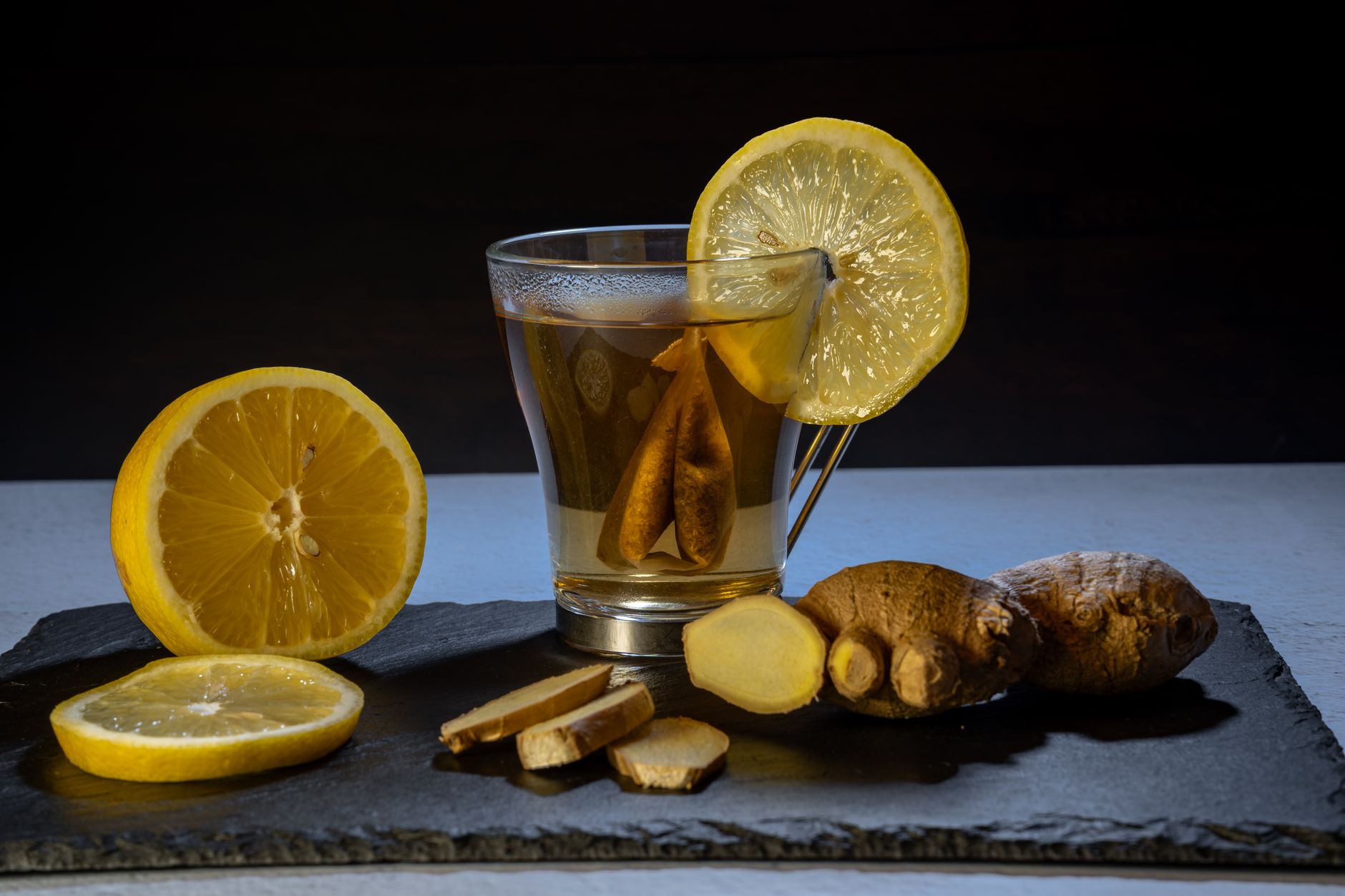
Ginger tea is one of the simplest and most common preparations. Fresh ginger slices are steeped in hot water, sometimes with a bit of brown sugar or jujube dates. This is a go-to remedy for the early stages of a cold, for digestive discomfort, or simply for warming up on a cold day. In TCM, this tea is believed to help the body expel cold and dampness, which are considered common causes of illness.
Another traditional use is ginger compresses. Fresh ginger is grated and heated, then applied to the skin in a cloth. This is thought to warm the muscles and joints, making it a common home remedy for aches and pains associated with cold weather. It’s a practical application of the warming principle—using ginger’s energetic nature to address physical discomfort.
Historical Origins of Ginger’s Warming Classification
The classification of ginger as warming is not a modern invention. It appears in some of the oldest surviving Chinese medical texts. The Shen Nong Ben Cao Jing (The Divine Farmer’s Materia Medica), compiled around 200 CE, describes ginger as “warming the middle” and “treating cold in the abdomen.” This text is one of the foundational works of Chinese herbal medicine, and its classifications have influenced TCM for nearly two thousand years.
The Huangdi Neijing (The Yellow Emperor’s Inner Classic), an even older text dating to around the 2nd century BCE, does not specifically mention ginger, but it establishes the theoretical framework that later allowed ginger to be classified as warming. The Neijing describes the relationship between food, climate, and health, and it introduces the idea that foods have thermal natures that can be used to treat imbalances. Ginger fit neatly into this framework.
Over the centuries, Chinese physicians refined their understanding of ginger. The Ming dynasty physician Li Shizhen, in his monumental work the Bencao Gangmu (Compendium of Materia Medica, 1578), wrote extensively about ginger. He described it as “acrid, warm, and slightly toxic” and listed dozens of uses, from treating colds to calming vomiting. His work cemented ginger’s reputation as a warming herb in the TCM tradition.
A Contrarian Insight: Ginger Is Not Always Warming
Here’s something that might surprise you: in TCM, ginger is not always considered warming. The way ginger is prepared can change its energetic nature. For example, ginger that has been roasted or baked is considered even warmer than fresh ginger. But ginger that has been pickled—like the pink ginger served with sushi—is considered less warming. The pickling process, which involves vinegar and sugar, is thought to cool down ginger’s nature.
This is a reminder that in TCM, context matters. The same ingredient can have different effects depending on how it is processed, what it is combined with, and who is consuming it. A person with a “hot” constitution—someone who tends to feel warm, sweat easily, or have a red complexion—might be advised to use ginger sparingly. A person with a “cold” constitution might be encouraged to use it liberally. The warming nature of ginger is not absolute; it is relative to the individual and the situation.
Modern Perspective on Ginger’s Warming Effects
What does modern science say about ginger’s warming properties? The research is limited, but there are some interesting parallels. Ginger contains compounds called gingerols and shogaols, which are known to have anti-inflammatory and antioxidant effects. Some studies have suggested that ginger can improve circulation, which might explain why it feels warming to the body. Improved blood flow can raise skin temperature and create a sensation of warmth.
Ginger is also known to stimulate digestion. It increases the production of digestive enzymes and helps move food through the gastrointestinal tract. This aligns with the TCM idea that ginger warms the Spleen and Stomach. From a scientific perspective, ginger’s ability to reduce nausea and improve digestion is well-documented, even if the mechanism is different from what TCM describes.
However, it is important to note that modern research does not “prove” the TCM framework. The TCM concept of warming is not the same as a measurable increase in body temperature. It is a model for describing patterns of health and illness. The fact that ginger has some physiological effects that overlap with what TCM predicts is interesting, but it does not validate the entire system. It simply shows that two different ways of thinking can arrive at similar conclusions about the same ingredient.
Frequently Asked Questions
Is ginger considered warming in all forms?
In TCM, fresh ginger is considered warm, while dried ginger is considered hot. Pickled or candied ginger is considered less warming due to the processing methods. The form matters, and the intended use often determines which form is recommended.
Can ginger be too warming for some people?
Yes. In TCM, people with a “heat” constitution—those who tend to feel hot, have a red complexion, or experience inflammation—may be advised to use ginger in moderation. Some people find that too much warming food can aggravate their condition, leading to symptoms like thirst, irritability, or skin rashes.
Does ginger tea actually help with colds?
In TCM, ginger tea is used to “release the exterior” and help the body sweat out a cold. Modern research suggests that ginger has antimicrobial and anti-inflammatory properties, which may support the immune system. However, it is not a cure, and its effectiveness varies from person to person.
How does ginger compare to other warming spices in TCM?
Ginger is considered gentler than spices like cinnamon, cloves, or black pepper. It warms without being overly stimulating, which makes it suitable for a wider range of people. It is also valued for its ability to harmonize other ingredients in a formula.
Related TCM Concepts
- What Is Qi and How Does It Work?
- Food Energetics: Cooling vs Warming Foods
- The Spleen and Stomach in TCM
- Why Does TCM Say No to Cold Drinks?
- Yin and Yang in Everyday Life