
If you’ve ever visited a Chinese household or spent time in mainland China, you might have noticed something curious: nobody reaches for a glass of ice water. In fact, cold water is often met with a look of concern. Instead, people drink warm water — sometimes even hot water — throughout the day, regardless of the weather outside.
This isn’t just a quirky cultural preference. It’s a practice rooted in a very specific set of ideas about how the body works, ideas that come from Traditional Chinese Medicine (TCM). And at the heart of this practice are two organs you might not expect: the Spleen and the Stomach.
In TCM, these two organs aren’t just anatomical parts. They’re central players in a system that governs digestion, energy, and even your body’s ability to handle moisture. And the temperature of what you drink, according to this framework, matters a great deal to how well they function.
The Spleen and Stomach in TCM: A Different Kind of Anatomy
To understand why warm water matters, you first need to understand how TCM views the Spleen and Stomach. This is one of those areas where the TCM framework looks very different from modern Western medicine.
In Western anatomy, the spleen is an organ involved in filtering blood and supporting the immune system. The stomach is a muscular sac that breaks down food using acid and enzymes. In TCM, these organs are understood differently — not just as physical structures, but as functional systems with broader responsibilities.
Within the TCM framework, the Stomach (胃, wèi) is described as the “sea of food and fluids.” Its main job is to receive and break down what you eat and drink. It’s considered a “yang” organ — active, warm, and involved in the initial processing of nutrients.
The Spleen (脾, pí), on the other hand, is considered a “yin” organ. Its role is to take the processed nutrients from the Stomach and transform them into qi (气, vital energy) and blood. In TCM theory, the Spleen is responsible for “transporting and transforming” — moving nutrients upward to the lungs and heart, where they become the energy your body runs on.
Together, the Spleen and Stomach are often referred to as the “root of acquired constitution.” This means that while you’re born with some inherent vitality, the health of your Spleen and Stomach largely determines your ongoing energy levels, digestion, and overall resilience.
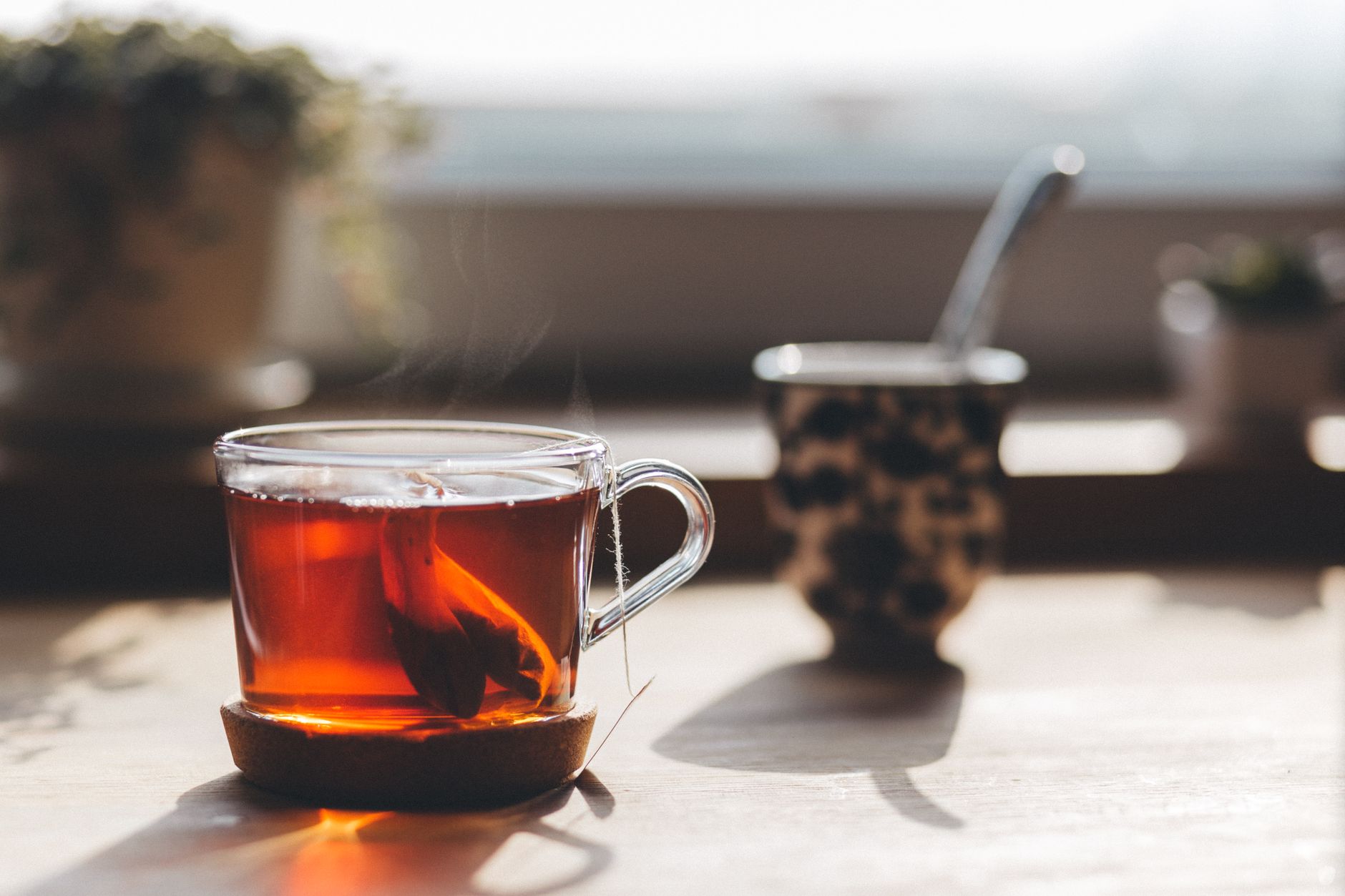
Why Temperature Matters to the Spleen
Here’s where warm water enters the picture. In TCM theory, the Spleen has a specific preference: it likes warmth. Classical texts describe the Spleen as an organ that “delights in warmth and dislikes cold.”
The reasoning goes like this: the Spleen’s job of transforming food into qi requires a certain amount of internal warmth — what TCM practitioners might call “digestive fire.” When you drink something cold, that warmth is suddenly challenged. The body has to expend extra energy to warm the liquid up to body temperature before the Spleen and Stomach can properly process it.
Over time, according to this framework, repeated exposure to cold drinks can weaken the Spleen’s function. This pattern is described in TCM as “Spleen Qi Deficiency” — a term used to describe a collection of symptoms that may include fatigue, bloating, loose stools, a feeling of heaviness, and poor appetite.
Warm water, by contrast, is believed to support the Spleen’s natural function. It doesn’t require extra energy to process. It helps maintain the internal warmth that the Spleen needs to do its work. In TCM thinking, this is why warm water is considered more than just a preference — it’s seen as a way of protecting your digestive health.
The Stomach and the Concept of “Rebellious Qi”
The Stomach also has a temperature preference, but for slightly different reasons. In TCM, the Stomach is described as having a tendency for its qi to move downward. This downward movement is what allows food and fluids to pass through the digestive tract properly.
Cold fluids, in TCM theory, are believed to disrupt this downward movement. They can cause the Stomach’s qi to become “rebellious” — meaning it moves upward instead of downward. This is a TCM explanation for symptoms like acid reflux, nausea, belching, or a feeling of fullness after eating.
Warm water, on the other hand, is thought to support the Stomach’s natural downward movement. It helps keep things flowing in the right direction. This is one reason why, in TCM, warm water is often recommended for people who experience indigestion or bloating.
Where Does This Idea Come From?
The connection between warm water and digestive health isn’t a modern invention. It appears in some of the oldest Chinese medical texts.
The Huangdi Neijing (《黄帝内经》, The Yellow Emperor’s Inner Classic), a foundational text of TCM dating back over 2,000 years, discusses the importance of protecting the Spleen and Stomach from cold. It describes how cold can “injure the Spleen” and disrupt the body’s ability to generate qi.
Later texts, like the Shang Han Lun (《伤寒论》, Treatise on Cold Damage), written by the physician Zhang Zhongjing around 200 CE, go into even more detail. This text focuses on how external cold can invade the body and cause illness — but the same principles apply to internal cold from food and drink.
What’s interesting is that this idea has persisted for over 2,000 years across dynasties, revolutions, and cultural shifts. It’s not a forgotten piece of ancient theory — it’s a living practice that millions of people still follow today.
The Cultural Habit: More Than Just Theory
If you travel to China today, you’ll see this theory in action everywhere. Hotels provide electric kettles in every room — not coffee makers, but kettles. Restaurants serve warm water by default. If you ask for cold water, you might get a slightly puzzled look.
This isn’t just about TCM theory. It’s also about practical history. Before modern refrigeration, cold water wasn’t easily available. Drinking boiled water was a way to ensure it was safe — a practice that dates back centuries. Over time, the habit of drinking warm water became deeply embedded in Chinese culture.
But the TCM framework gave this habit a rationale that went beyond safety. It provided a reason why warm water was better for you, even when cold water was available. This is why, even today, many Chinese families will tell you that cold water is “bad for the stomach” — a phrase that reflects centuries of TCM thinking.
What About Cold Drinks in Hot Weather?
One of the most common questions people ask is: if warm water is so good for digestion, why do we crave cold drinks on a hot day?
In TCM theory, the answer involves a concept called “exterior cold, interior heat.” When it’s hot outside, your body’s surface may feel warm, but the internal organs — particularly the Spleen and Stomach — are actually more vulnerable to cold. This is because the body’s qi is drawn outward to the skin to help cool you down, leaving the interior relatively less protected.
So according to this framework, drinking something cold on a hot day is actually the worst time to do it. The Spleen is already in a more vulnerable state, and cold fluids can disrupt its function more easily. This is why, in many Chinese households, you’ll see people drinking warm tea even in the middle of summer.
It’s a counterintuitive idea, especially if you’ve grown up reaching for iced drinks when the temperature rises. But within the TCM framework, it makes perfect sense.
Warm Water and the Concept of Dampness
There’s another TCM concept that connects to warm water: dampness (湿, shī). In TCM theory, dampness is a pathological factor that can accumulate in the body when the Spleen isn’t functioning well.
The Spleen is responsible for “transporting and transforming” fluids in the body. When it’s weak — perhaps from too many cold drinks or poor diet — fluids can accumulate instead of being properly processed. This is described as “dampness,” and it’s associated with symptoms like a feeling of heaviness, brain fog, bloating, and sticky stools.
Warm water, in TCM thinking, helps the Spleen do its job more effectively. It supports the transformation of fluids and helps prevent dampness from building up. This is one reason why warm water is often recommended as part of a dietary approach for people who feel sluggish or “heavy” after eating.
Does Modern Research Say Anything About This?
From a scientific perspective, the evidence on warm water and digestion is limited but not entirely absent. Researchers have looked into how water temperature affects the digestive process, and some findings are interesting.
Studies have shown that drinking warm water can temporarily increase gut motility — the movement of food through the digestive tract. One small study found that warm water improved blood flow to the intestines, which could theoretically support digestion. Cold water, by contrast, has been shown to slow down gastric emptying in some studies.
However, these studies are small, and the effects are modest. No modern research has confirmed the TCM framework of Spleen Qi Deficiency or dampness as measurable physiological states. What the research does suggest is that water temperature can have subtle effects on digestion — but whether those effects are meaningful enough to change your health habits is a different question.
It’s one of those areas where the two frameworks simply measure different things. TCM describes patterns of symptoms and energy flow. Modern science measures blood flow, enzyme activity, and transit time. They’re not necessarily in conflict — they’re just looking at the same phenomenon from very different angles.
Frequently Asked Questions
Why do Chinese people drink warm water instead of cold water?
In TCM, warm water is believed to support the digestive system, particularly the Spleen and Stomach. Cold water, by contrast, is thought to create disruptions in digestive function. This belief is reinforced by cultural habits that go back generations.
Does warm water actually help with digestion?
Some small studies suggest that warm water may increase gut motility and blood flow to the intestines. However, the evidence is limited, and the effects are modest. Within the TCM framework, the reasoning is more about protecting the Spleen’s function than about measurable digestive speed.
Is it bad to drink cold water according to TCM?
Within the TCM framework, cold water is believed to weaken the Spleen’s function over time, potentially leading to symptoms like fatigue, bloating, and poor digestion. However, many people drink cold water without noticing any issues — it depends on the individual and their constitution.
Do all Chinese people avoid cold drinks?
Not at all. Modern China is diverse, and younger generations especially may drink cold beverages regularly. However, the cultural preference for warm drinks remains widespread, particularly among older generations and in traditional contexts.
Related TCM Concepts
- What Is Qi and How Does It Work?
- Food Energetics: Cooling vs Warming Foods
- The Spleen and Stomach in TCM
- Why Does TCM Say No to Cold Drinks?
- Understanding Dampness in TCM