
If you’ve ever been to a Chinese restaurant and asked for a glass of cold water, you might have noticed a slight hesitation. Or maybe you’ve seen someone order hot water with their meal and wondered why. In many Chinese households, the idea of drinking cold water—especially with food—is met with a kind of quiet disapproval. It’s not about taste. It’s about a different way of thinking about the body.
In the West, cold water is refreshing. In Traditional Chinese Medicine, it’s something else entirely. But is warm water actually healthier? The answer depends on which framework you’re using. Let’s look at what TCM says—and what it doesn’t say.
The Practice: Warm Water as a Daily Habit
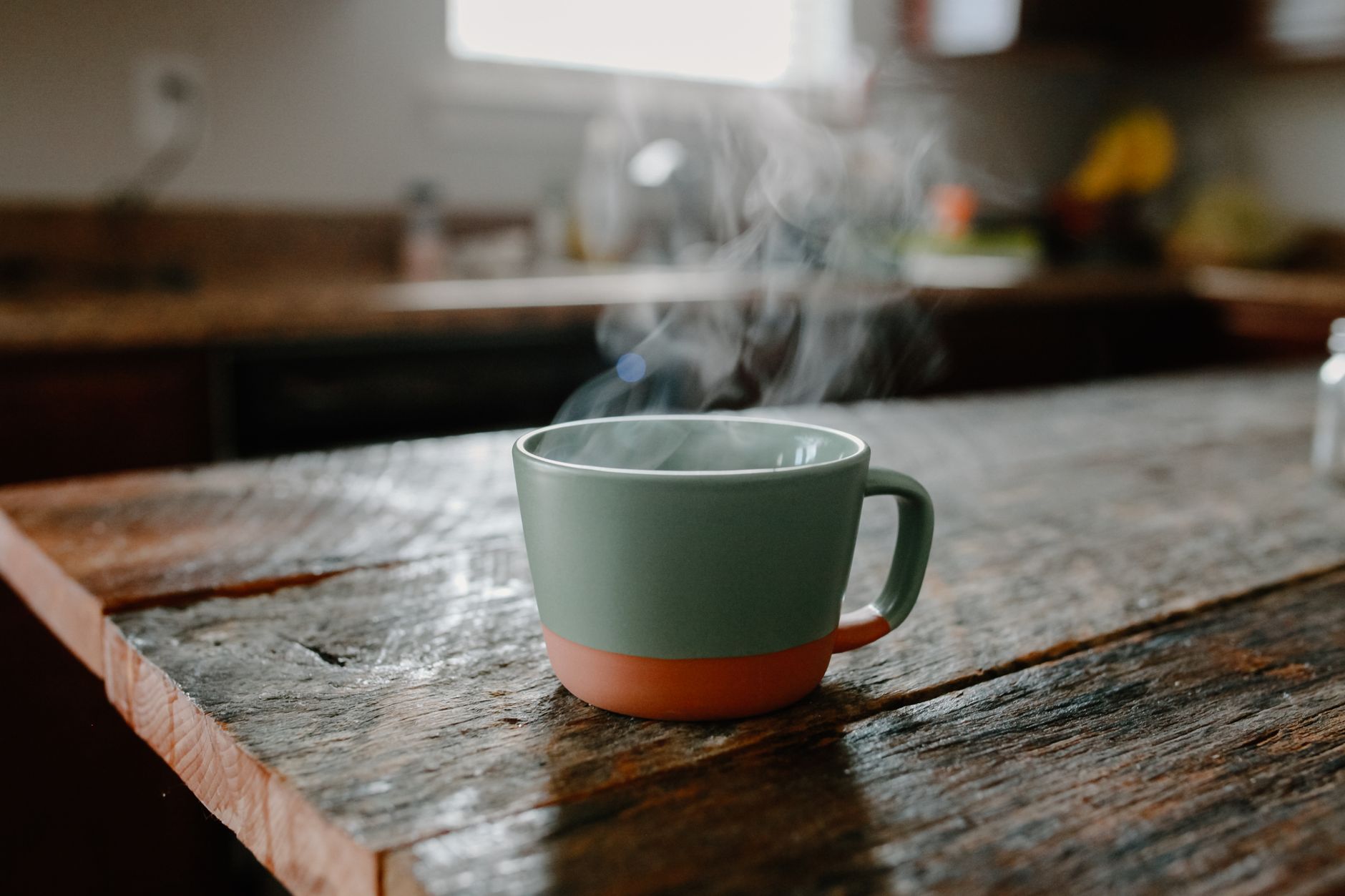
Walk into any hotel room in China, and you’ll find an electric kettle. Not a coffee maker—a kettle. This isn’t just for tea. It’s for hot water, plain and simple. Many Chinese people drink warm water throughout the day, not just when they’re sick.
This habit is so ingrained that it’s almost invisible to those who grow up with it. A friend once told me her grandmother insisted on a cup of warm water first thing every morning—and only years later did I understand why. It wasn’t just a preference. It was a practice rooted in a system of thought that goes back thousands of years.
In TCM, warm water is not a cure-all. It’s a baseline. A way of supporting the body’s natural processes without creating disruption.
The TCM Perspective: Why Warm Water Matters
In TCM theory, the body is understood through a framework of balance. Two key concepts are relevant here: the Spleen and Stomach, and the idea of “warming” versus “cooling” influences.
The Spleen in TCM is not the same as the anatomical spleen. Within this framework, the Spleen is described as the organ responsible for transforming food into energy—what TCM calls qi (气, pronounced “chee”). The Stomach is seen as the “cooker” that breaks down food. Both are considered to prefer warmth.
According to classical Chinese medical texts, cold temperatures are thought to impair the Spleen’s function. When you drink cold water, the theory goes, the body has to expend extra energy to warm it up before digestion can proceed smoothly. This is described as creating a kind of “cold” pattern in the digestive system, which some people find can lead to sluggishness, bloating, or fatigue.
Warm water, by contrast, is believed to support the Spleen and Stomach. It’s seen as gentle, non-disruptive, and aligned with the body’s natural tendency toward warmth. In TCM, this is why warm water is often recommended for people with weak digestion or during illness.
What TCM Doesn’t Say
It’s important to be clear about what TCM does not claim. TCM does not say that cold water is poisonous. It does not say that drinking cold water will make you sick immediately. And it does not say that warm water cures diseases.
What TCM offers is a framework for understanding patterns. Within that framework, cold water is seen as a potential contributor to a pattern called “Spleen Qi Deficiency”—a term used to describe a collection of symptoms that may include fatigue, loose stools, poor appetite, or a feeling of heaviness.
But TCM is not a system of absolutes. A healthy person with strong digestion might drink cold water without noticing any effect. Someone with a pre-existing digestive weakness might find that warm water feels better. The framework is descriptive, not prescriptive.
This is a key distinction that often gets lost in popular wellness content. TCM doesn’t say “never drink cold water.” It says “if you have certain patterns, warm water may be more supportive.”
Historical Origins: Where Did This Idea Come From?
The preference for warm water in Chinese culture predates TCM as a formal system. In ancient China, drinking water was often boiled as a practical measure to kill pathogens. This was not a medical theory—it was survival. Boiling water made it safer to drink.
Over time, this practical habit became woven into cultural practice. By the time the Huangdi Neijing (《黄帝内经》, The Yellow Emperor’s Classic of Internal Medicine) was compiled around 2,000 years ago, the idea that cold could harm the body was already well established.
The Huangdi Neijing describes the body as a system that thrives on warmth and harmony. Cold, in this framework, is seen as a disruptive force—something that can slow things down, create blockages, or cause stagnation. This is not unique to TCM. Many traditional medical systems, from Ayurveda to Greek humoral theory, have similar ideas about the dangers of cold.
What’s remarkable is how persistent this idea has been. Despite the advent of modern refrigeration and ice water, the cultural preference for warm water remains widespread in China today.
Cultural Contrast: Why This Feels Strange to Westerners
In the West, cold water is the default. Restaurants serve iced water without asking. Refrigerators are stocked with chilled bottles. The idea that cold water could be problematic feels almost counterintuitive.
This contrast highlights a deeper difference in how the two cultures think about the body. Western medicine tends to focus on measurable, mechanical processes. If cold water doesn’t cause a measurable drop in core body temperature, it’s considered harmless. TCM, on the other hand, looks at patterns and relationships. The question isn’t “does cold water lower your temperature?” but “does cold water create a pattern of disruption in the digestive system?”
Both frameworks are internally consistent. They just measure different things.
Modern Perspective: What Does Research Say?
Scientific studies on warm water versus cold water are relatively few. Among those that exist, the findings are mixed and often context-dependent.
Some research has looked at the effects of water temperature on digestion. A small study published in the Journal of Gastroenterology and Hepatology found that cold water slowed gastric emptying in healthy volunteers. Another study in the European Journal of Applied Physiology noted that drinking warm water improved blood flow to the skin and muscles, which could theoretically support digestion.
But these studies are limited in scope. They don’t prove that warm water is “healthier” in any universal sense. What they suggest is that water temperature can have measurable effects on the body—effects that align, in some ways, with what TCM describes.
It’s also worth noting that the benefits of warm water are often overstated in wellness circles. Claims that warm water “detoxifies” the body or “boosts metabolism” are not supported by strong evidence. The body has its own detoxification systems—the liver and kidneys—and water temperature doesn’t change how they work.
What warm water does do, reliably, is hydrate. And hydration itself is undeniably healthy. If warm water makes you drink more water, then it’s a good habit. If cold water makes you drink more, that’s fine too.
Frequently Asked Questions
Is warm water better for digestion than cold water?
In TCM theory, warm water is believed to support the Spleen and Stomach, while cold water is thought to create disruption. Some modern studies suggest cold water may slow gastric emptying, but the evidence is not conclusive. For most people, the difference is likely small.
Do all Chinese people drink warm water?
No. Modern China is diverse, and younger generations especially may drink cold beverages regularly. However, the cultural preference for warm water remains common, particularly among older generations and in traditional contexts.
Can drinking cold water make you sick?
In TCM, cold water is seen as a potential contributor to digestive patterns like Spleen Qi Deficiency. But it does not cause illness in the way a virus does. A healthy person with strong digestion is unlikely to notice any negative effects.
Does warm water have any proven health benefits?
Warm water hydrates the body just as well as cold water. Some studies suggest it may improve blood flow or digestion in certain contexts, but the evidence is limited. The main benefit is that it encourages hydration, which is universally healthy.
Related TCM Concepts
- What Is Qi and How Does It Work?
- Food Energetics: Cooling vs Warming Foods
- The Spleen and Stomach in TCM
- Why Does TCM Say No to Cold Drinks?