
If you’ve ever been to a Chinese restaurant and asked for a glass of water, you might have noticed something surprising. The water arrives warm — sometimes even hot. And if you’re dining with Chinese friends or family, you might see them reach for a steaming cup of tea or hot water, even on a sweltering summer day.
This isn’t just a quirky preference. It’s a habit rooted in a way of thinking about the body that goes back more than two thousand years. In Traditional Chinese Medicine (TCM), the temperature of what you drink matters — a lot.
The Basic Idea: Protecting Your Digestive Fire
In TCM theory, the body’s digestive system is often compared to a cooking pot on a stove. The Stomach is the pot, and the Spleen (which in TCM refers to a broader set of digestive functions, not the anatomical organ) provides the “fire” that cooks and transforms food into energy.
When you drink something ice-cold, the theory goes, you’re essentially dumping cold water onto that fire. The digestive system has to work harder to warm everything back up before it can properly process what you’ve consumed. Over time, some people believe this can weaken the digestive system’s efficiency.
Within the TCM framework, this pattern is described as “weakening the Spleen Yang.” Yang is the warm, active, transformative energy in the body. When Spleen Yang is compromised, practitioners say, digestion becomes sluggish. This can lead to symptoms like bloating, fatigue, loose stools, or a feeling of heaviness after eating.
Cold Drinks and “Dampness”
Another key concept in TCM is “dampness” (湿, shī). In the TCM framework, dampness is a type of pathogenic influence that can accumulate in the body when digestion is weak or when the body is exposed to too much cold or moisture.
Cold drinks are thought to contribute to dampness because they impair the body’s ability to transform and transport fluids. When fluids aren’t properly processed, they can stagnate and turn into what TCM calls “phlegm” or “dampness.” This isn’t the same as phlegm from a cold — it’s a broader concept describing a state of sluggishness, heaviness, and poor fluid metabolism.
People who are prone to dampness, according to TCM, might feel tired, puffy, or mentally foggy. They might have a thick coating on their tongue or feel like their limbs are heavy. Some people find that avoiding cold drinks is one of the common recommendations for managing this pattern.
The Spleen and Stomach: The Core of Digestion
In TCM, the Spleen and Stomach are considered the “root of post-natal qi” — meaning they’re responsible for extracting energy from food after you’re born. Their health is seen as foundational to overall vitality.
The Stomach likes moisture and is described as preferring “dampness.” But the Spleen prefers dryness and warmth. Cold drinks are thought to disrupt this balance, creating a situation where the Stomach has too much cold fluid and the Spleen has to work overtime to warm and move it.
Classical TCM texts, such as the Huangdi Neijing (The Yellow Emperor’s Inner Classic), emphasize the importance of protecting the Spleen and Stomach. One well-known passage advises against consuming cold foods and drinks, especially when the body is already in a weakened state.
Historical Context: Before Refrigeration
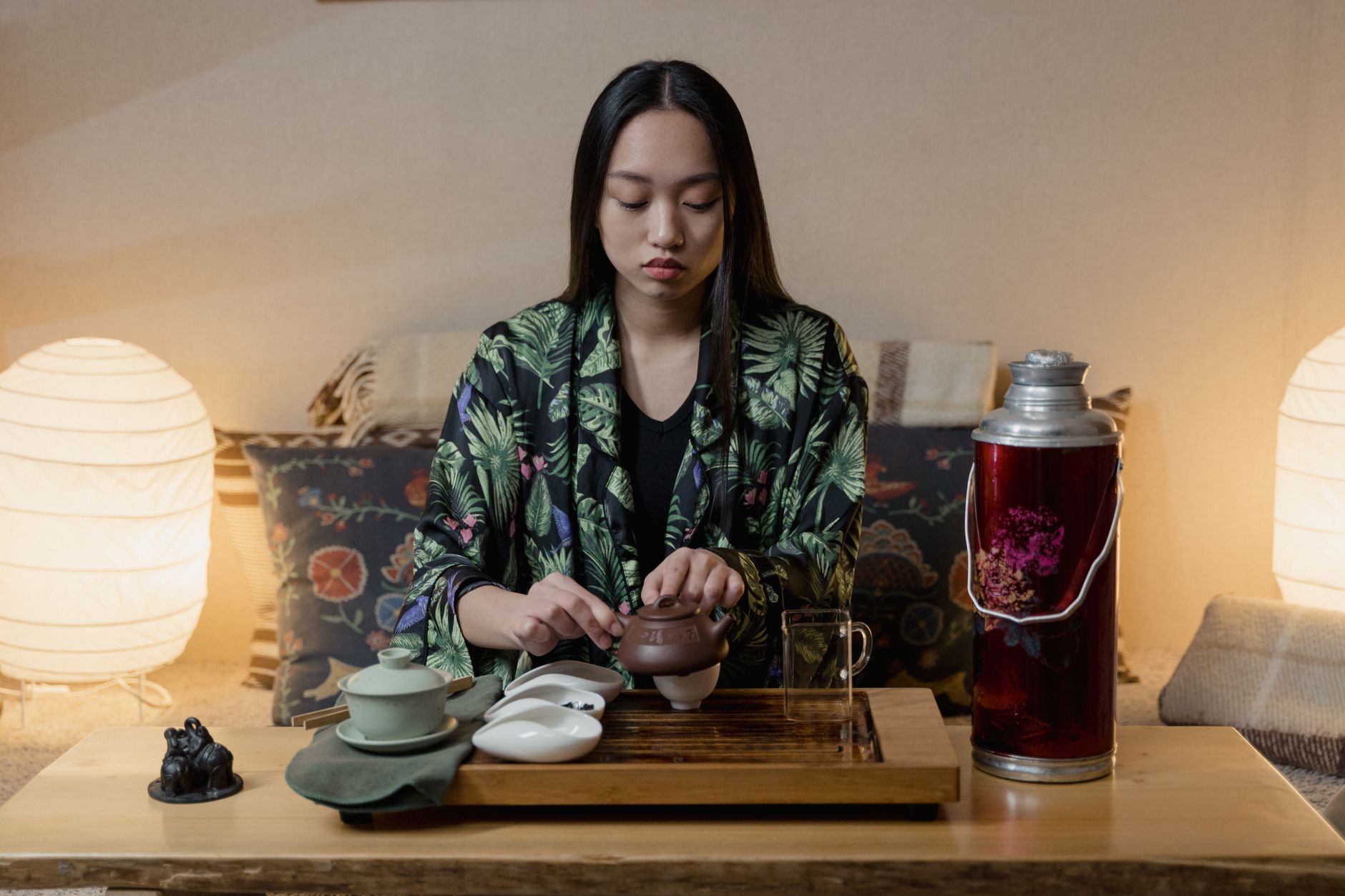
It’s worth remembering that for most of Chinese history, cold drinks weren’t readily available. Ice was harvested in winter and stored in icehouses for the wealthy, but it was a luxury. The vast majority of people drank water that had been boiled (for safety) and then cooled to room temperature, or they drank hot tea.
Tea, in particular, became deeply embedded in Chinese culture. Drinking hot tea wasn’t just about flavor — it was a daily habit that reinforced the idea that warm liquids were normal and beneficial. Over centuries, this became a cultural norm, not just a medical recommendation.
What’s interesting is that this habit persisted even after modern refrigeration became common. The medical framework provided a reason, and the cultural habit provided the reinforcement. Today, many Chinese people avoid iced drinks not because they’ve studied TCM, but because it’s simply what they grew up doing.
Does This Apply to Everyone?
Not everyone in China follows this practice. Younger generations, especially in urban areas, are more likely to drink iced coffee, bubble tea, or cold sodas. Modern Chinese culture is diverse, and many people mix traditional habits with modern preferences.
However, the underlying TCM framework remains influential. Even people who don’t actively follow TCM might instinctively reach for warm water when they feel unwell, or avoid cold drinks during their menstrual cycle, or order hot tea with a heavy meal.
In TCM, the advice to avoid cold drinks is also not absolute. It depends on the person’s constitution, the season, and the context. Someone with a strong, “hot” constitution might tolerate cold drinks better than someone with a weaker, “cold” constitution. In summer, a small amount of cool liquid might be acceptable. But as a general rule, the framework leans toward warmth.
What About Hot Weather?
This is the question Westerners often ask: “If it’s 35°C outside, why would anyone drink hot tea?”
In TCM, the answer is that hot drinks help the body cool down more effectively than cold ones. The reasoning goes like this: when you drink something hot, your body sweats. As the sweat evaporates from your skin, it carries heat away, cooling you down. Cold drinks, by contrast, might feel refreshing in the moment, but they can actually cause the body to conserve heat by constricting blood vessels near the skin’s surface.
This idea has some overlap with modern physiology. Drinking hot liquids can indeed trigger a sweating response, and evaporative cooling is a real mechanism. But within the TCM framework, the explanation is more about maintaining digestive warmth and avoiding the shock of cold on the system.
Modern Perspective
What does modern science say about this? The evidence is mixed and limited. Some studies have explored whether drinking cold water affects digestion, but the results are not conclusive.
One small study found that drinking cold water during a meal slowed gastric emptying slightly. Another study suggested that cold water might constrict blood vessels in the stomach, potentially affecting digestion. But these effects are generally mild and unlikely to cause problems in healthy people.
From a scientific perspective, the human body is remarkably good at maintaining its core temperature. A glass of cold water will be warmed to body temperature within minutes. The idea that cold drinks “weaken” the digestive system over the long term is not supported by current medical research.
However, some people do report feeling bloated or uncomfortable after drinking cold water with a meal. This could be due to individual sensitivity, or it could be a placebo effect reinforced by cultural beliefs. Either way, it’s a real experience for many people.
What’s clear is that the TCM framework offers a coherent internal logic. It’s not trying to compete with modern physiology — it’s a different way of describing the body’s patterns and relationships.
Frequently Asked Questions
Do all Chinese people avoid iced drinks?
No. Younger generations and people in urban areas often drink cold beverages, especially iced coffee, bubble tea, and soft drinks. However, the cultural preference for warm drinks remains widespread, particularly among older generations and in traditional contexts.
Is there a scientific reason to avoid cold drinks?
Current scientific evidence does not support the idea that cold drinks are harmful to digestion for most people. Some individuals may experience discomfort, but this varies. The TCM framework offers a different perspective based on its own internal logic.
Why do Chinese hotels always have electric kettles?
Electric kettles are standard in Chinese hotel rooms because warm water is considered essential. Guests use them to make tea, prepare instant noodles, or simply drink warm water. It’s a practical reflection of the cultural habit.
Can I drink cold water if I’m healthy?
Within the TCM framework, occasional cold drinks are not considered harmful for someone with a strong constitution. But the general recommendation is to favor room-temperature or warm drinks, especially with meals and during illness.
Related TCM Concepts
- What Is Qi and How Does It Work?
- Food Energetics: Cooling vs Warming Foods
- The Spleen and Stomach in TCM
- Understanding Dampness in TCM
- Why Does TCM Say No to Cold Drinks?