
If you were to walk through a major hospital in Shanghai or Beijing today, you might notice something unusual. In the same building where doctors perform robotic surgery and prescribe the latest pharmaceuticals, there is often a separate wing where patients receive acupuncture, herbal formulas, and moxibustion. This is not a fringe alternative clinic tucked away in a back alley. It is a standard feature of China’s healthcare system.
For many Westerners, Traditional Chinese Medicine exists in a separate category from modern medicine — something ancient, perhaps mystical, and certainly not part of a high-tech hospital. But in modern China, the two systems coexist in a way that can be surprising to outsiders. TCM is not a relic of the past. It is a living, evolving practice that has been reshaped by politics, science, and daily life.
The Hospital That Treats Both Systems
China’s healthcare system officially integrates TCM and Western medicine. Most public hospitals have dedicated TCM departments. Patients can choose which approach they prefer, or they can receive both simultaneously. A person recovering from surgery might receive standard post-operative care alongside acupuncture sessions and herbal teas prescribed by a TCM doctor.
This integration is not accidental. It is the result of deliberate government policy. After the founding of the People’s Republic in 1949, the new government faced a massive public health challenge. There were simply not enough Western-trained doctors to serve the population. TCM practitioners, who were already present in every village, became a practical solution. The state began formalizing TCM education, standardizing herbal formulas, and building hospitals that combined both systems.
Today, the result is a system where a patient might walk into a hospital and see two different doctors — one trained in Western medicine, one in TCM — and receive two different treatment plans. The patient is free to follow one, both, or neither. This dual-track system is so normal in China that most people do not think twice about it.
The TCM Doctor’s Training
Becoming a TCM practitioner in modern China is not a matter of learning from a family elder or reading ancient texts alone. It requires a formal university education. Students at institutions like the Beijing University of Chinese Medicine spend years studying both TCM theory and Western medical science. They learn anatomy, physiology, and pharmacology alongside the Huangdi Neijing and the Shang Han Lun.
This dual training means that a modern TCM doctor understands the body in two different frameworks. They can diagnose a condition using Western diagnostic tools — blood tests, MRIs, CT scans — and then interpret those findings through the lens of TCM theory. A patient with chronic fatigue might receive a diagnosis of anemia from a blood test and a diagnosis of Spleen Qi Deficiency from a TCM perspective. Both diagnoses are considered valid within their respective frameworks.
This is a significant shift from the past. Historically, TCM practitioners relied entirely on observation, pulse diagnosis, and tongue examination. Today, those traditional methods are still taught and used, but they are supplemented by modern technology. The result is a practice that looks very different from what it did a century ago.
The Pharmacy That Looks Like a Lab
Walk into a traditional Chinese pharmacy in a modern Chinese city, and you will see something that blends the old and the new. On one side, there are rows of wooden drawers filled with dried herbs, roots, and fungi — the classic image of a TCM pharmacy. On the other side, there are shelves of prepackaged granules, tablets, and capsules. These are modern formulations of traditional herbal recipes, processed in factories and sold in convenient packaging.
This shift toward standardization began in the 1950s and accelerated in the 1990s. The government wanted TCM to be more consistent and easier to regulate. Instead of requiring patients to boil raw herbs for hours, manufacturers began producing concentrated granules that could be dissolved in hot water. These granules are made by extracting the active compounds from herbs and drying them into a powder. The result is a product that is easier to store, measure, and prescribe.
Today, many Chinese households keep a small collection of these granules at home. A common cold might be treated with a formula called Yin Qiao San, available in granule form. Digestive discomfort might be addressed with Bao He Wan. These are not seen as alternatives to modern medicine. They are simply another tool in the household’s health kit.
The Role of the State
The Chinese government has invested heavily in TCM research and development. There are state-funded research institutes dedicated to studying the pharmacology of herbal compounds. Clinical trials are conducted to test the efficacy of traditional formulas against modern standards. The goal is not to prove that TCM is superior to Western medicine, but to understand which practices have measurable effects and which do not.
This has led to some notable successes. The antimalarial drug artemisinin, for example, was developed from a plant used in TCM — sweet wormwood. The scientist who led the research, Tu Youyou, won a Nobel Prize in 2015. Her work demonstrated that a traditional remedy could be isolated, studied, and turned into a modern pharmaceutical. This is often held up as an example of what TCM research can achieve when approached with scientific rigor.
At the same time, the government has also cracked down on fraudulent or dangerous practices. Unlicensed practitioners, fake herbs, and exaggerated claims are subject to legal penalties. The goal is to make TCM safer and more credible, both domestically and internationally.
Everyday TCM: What People Actually Do
For most Chinese people, TCM is not something they think about in philosophical terms. It is simply part of daily life. A parent might give a child a bowl of ginger soup when they catch a cold. An office worker might drink goji berry tea to support their eyes after a long day at the computer. A grandmother might insist on eating certain foods during the winter to “warm” the body.
These habits are so ingrained that many people do not even identify them as TCM. They are just things their family has always done. The framework behind them — the idea of balancing hot and cold, the concept of qi, the classification of foods by their energetic properties — is often understood only vaguely. But the practices persist because they feel right.
This is one of the most interesting aspects of TCM in modern China. It is not a belief system that people consciously adopt. It is a cultural inheritance that shapes everyday choices. The decision to drink warm water instead of cold, to eat certain foods in certain seasons, to avoid raw foods when feeling unwell — these are not medical prescriptions. They are habits passed down through generations.
The Younger Generation
Younger Chinese people, particularly those in urban areas, have a more complicated relationship with TCM. Many have grown up with access to modern medicine and are skeptical of practices they see as unscientific. They might roll their eyes at their grandmother’s insistence on drinking warm water or eating specific foods for specific ailments.
At the same time, there has been a resurgence of interest in TCM among younger demographics, driven in part by social media. Platforms like Xiaohongshu (Little Red Book) are filled with posts about TCM-inspired wellness routines. Young women share tips on which herbal teas to drink for clear skin. Fitness enthusiasts discuss which foods are “warming” or “cooling” for post-workout recovery. This is not the same as a deep commitment to TCM philosophy. It is more like a wellness trend, borrowing elements of the tradition without fully embracing its theoretical framework.
This selective adoption is not unique to TCM. It mirrors the way Western wellness culture borrows from Ayurveda, traditional Chinese practices, and indigenous traditions around the world. The difference is that for Chinese people, these practices are not exotic imports. They are part of the cultural landscape, available for reinterpretation in a modern context.
The Global Export
TCM is no longer confined to China. Acupuncture is practiced in over 180 countries. Chinese herbal products are sold in health food stores around the world. Cupping therapy, popularized by Olympic athletes, has become a mainstream wellness trend. The global market for TCM products is estimated to be worth tens of billions of dollars.
This global spread has created new challenges. Different countries have different regulations for herbal products. Some herbs used in TCM are restricted or banned in other countries due to safety concerns. The lack of standardized quality control has led to incidents of contamination or mislabeling. At the same time, the growing interest has created opportunities for Chinese companies and practitioners to export their knowledge and products.
The Chinese government has actively promoted TCM as part of its soft power strategy. The Belt and Road Initiative includes provisions for establishing TCM centers in partner countries. Chinese universities offer TCM programs for international students. The goal is to position TCM as a global health resource, not just a Chinese tradition.
What Modern Research Says
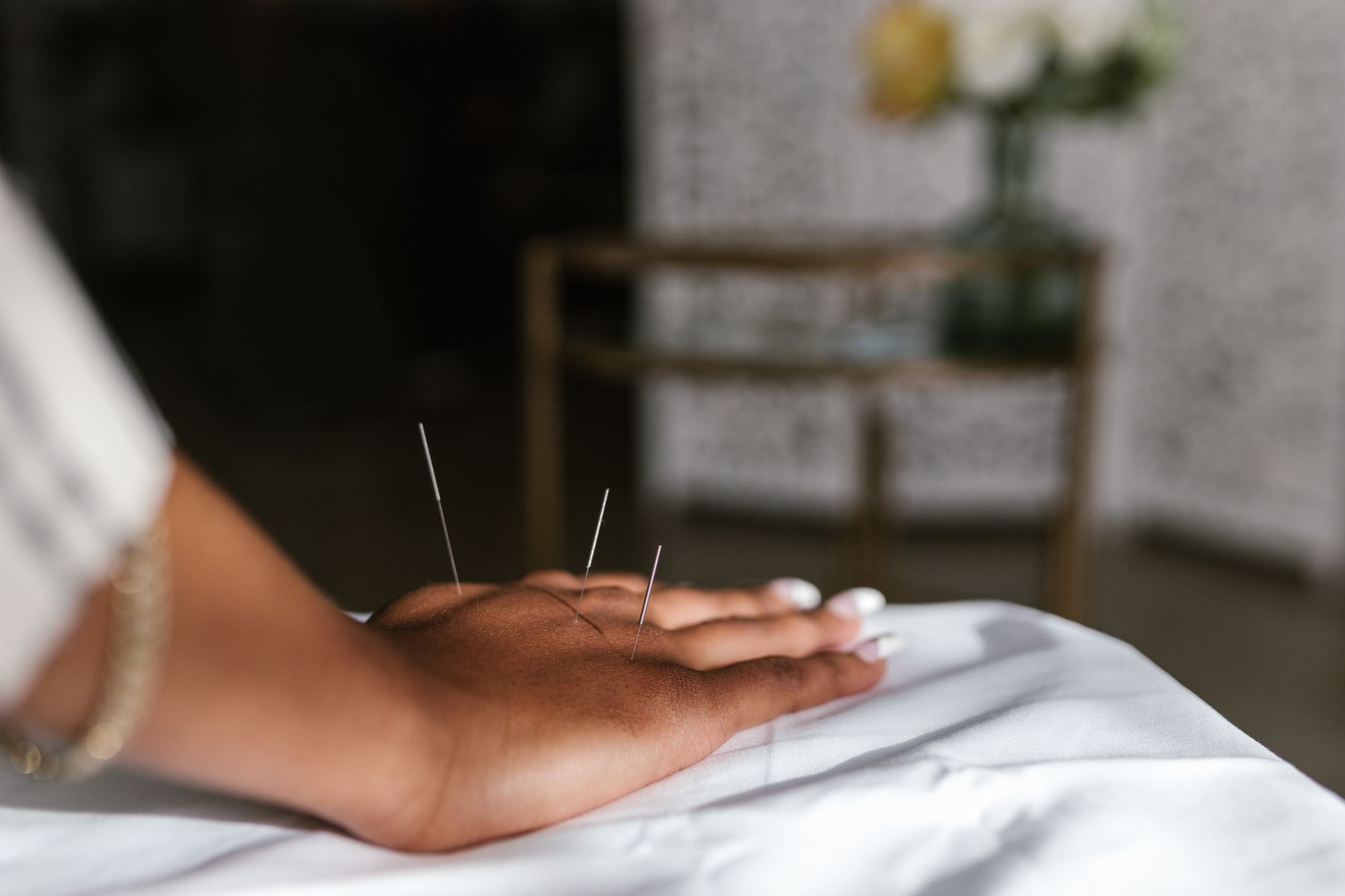
Scientific research on TCM is a mixed picture. Some practices have accumulated enough evidence to be taken seriously by mainstream medicine. Acupuncture, for example, has been studied extensively for pain relief. The NIH notes that acupuncture may be effective for certain types of chronic pain, though the mechanisms are not fully understood. Cupping and gua sha have less robust evidence, but some studies suggest they may have effects beyond placebo.
Herbal medicine is more complicated. Individual herbs have been studied for their active compounds, and some have shown promising results. But traditional formulas, which combine multiple herbs, are difficult to study using standard clinical trial methods. The interactions between herbs are complex, and the effects may depend on the individual patient’s constitution — a concept that does not translate easily into Western research frameworks.
What is clear is that TCM is not a single thing. It is a collection of practices, theories, and traditions that have evolved over centuries. Some of these practices have measurable effects. Others may work primarily through belief and ritual. The challenge for researchers is to separate the two without dismissing the entire system.
The Future of TCM in China
TCM in modern China is not static. It continues to evolve as new research emerges and as the healthcare system changes. There are ongoing debates about how much TCM might be integrated into mainstream medicine, how it could be regulated, and how it might be taught.
Some advocates argue that TCM should be preserved as a distinct system, with its own diagnostic methods and treatment principles. Others believe it could be absorbed into a unified medical framework, where only the practices that pass scientific scrutiny are retained. The government has taken a middle path, supporting both TCM research and its continued practice while also pushing for standardization and quality control.
What is certain is that TCM will not disappear. It is too deeply embedded in Chinese culture and too widely practiced to be abandoned. Whether it will continue to evolve into something new, or remain a living link to the past, is a question that will be answered in the coming decades.
Frequently Asked Questions
Do Chinese people still use TCM today?
Yes, TCM remains widely used in China, both in formal healthcare settings and in everyday home practices. Many people use it alongside Western medicine, and it is covered by public health insurance for certain treatments.
Is TCM taught in Chinese medical schools?
Yes, there are dedicated TCM universities in China, and many Western medical schools also offer TCM courses. Students typically study both TCM theory and modern medical science as part of their training.
Does the Chinese government support TCM?
The Chinese government actively supports TCM through funding for research, standardization of herbal products, and integration into the public healthcare system. It is also promoted as part of China’s cultural exports.
Is TCM safe?
Safety depends on the specific practice and the quality of the practitioner or product. Acupuncture is generally safe when performed by a trained professional. Herbal products can carry risks, particularly if they are contaminated or interact with other medications. The Chinese government has implemented regulations to improve safety, but quality control remains an ongoing challenge.
Related TCM Concepts
- What Is Qi and How Does It Work?
- The History of TCM: From Ancient Texts to Modern Practice
- Acupuncture: What Happens During a Session
- Herbal Medicine in TCM: How Formulas Are Made
- Food Energetics: Cooling vs Warming Foods