
A Small Red Fruit with a Long History
Walk through any traditional Chinese medicine shop, and you’ll see them in glass jars. Visit a Chinese household during the colder months, and you might find them floating in a pot of soup or steeping in a thermos of hot water. They’re small, red, and slightly wrinkled — and they’re one of the most commonly used ingredients in Chinese kitchens.
Red dates, known as hong zao (红枣), are not the same as the Medjool dates you might find in a Western supermarket. They’re a different fruit entirely — Ziziphus jujuba, often called jujubes or Chinese dates. They have a sweet, apple-like flavor and a chewy texture, and they’ve been part of Chinese food and medicine for thousands of years.
But why are they so popular? What makes this particular fruit a staple in so many Chinese households?
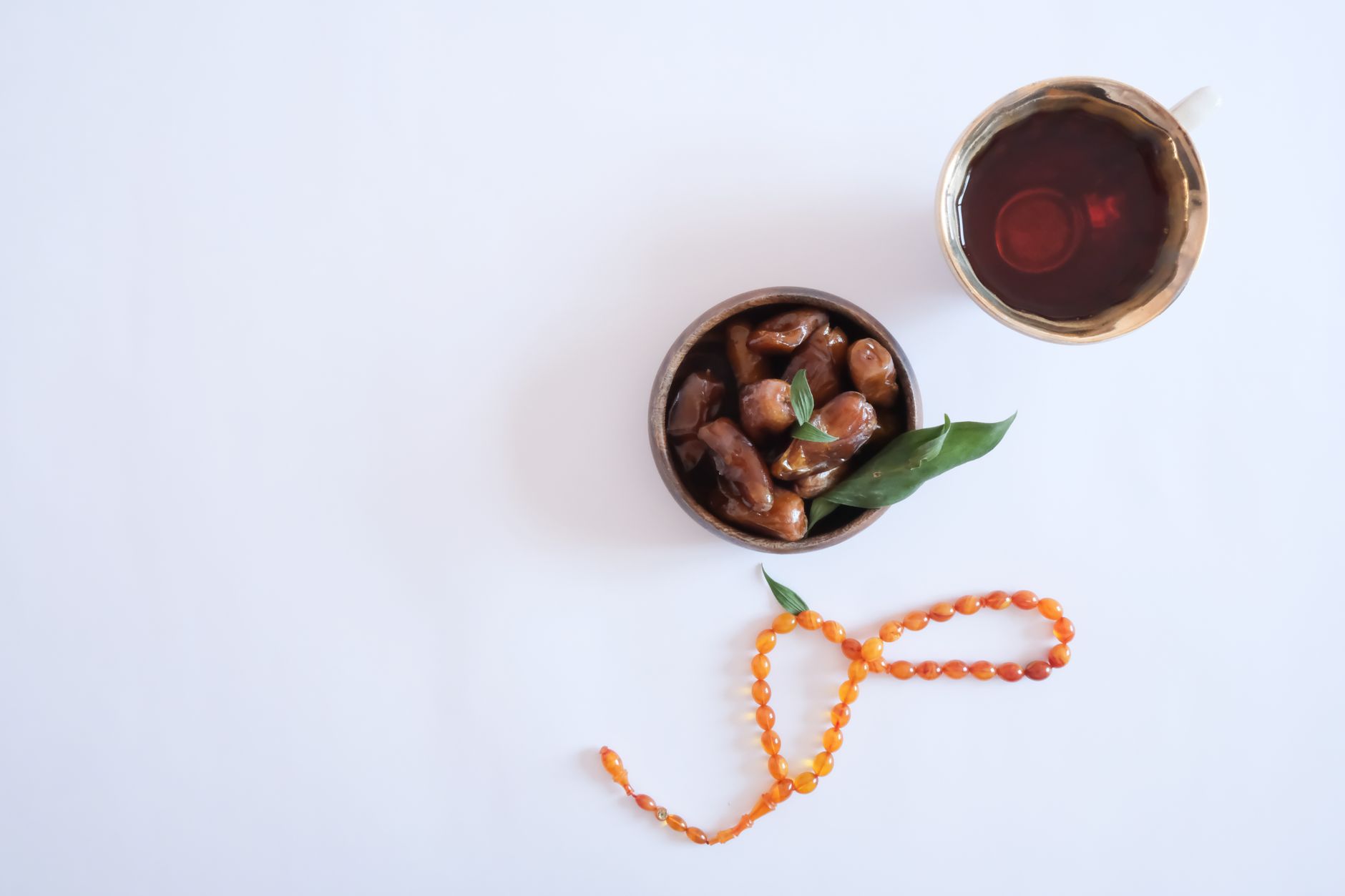
What Are Red Dates, Exactly?
Red dates are the fruit of the jujube tree, a plant native to southern Asia. The fruit starts out green and turns a deep red-brown as it ripens. When dried, they become wrinkled and chewy, with a flavor that’s often described as a cross between an apple and a date.
In Chinese cooking, they’re used in both sweet and savory dishes. You’ll find them in soups, teas, congee (rice porridge), and desserts. They’re also commonly used in traditional medicinal recipes, often combined with other ingredients like goji berries, ginger, or ginseng.
What’s interesting is that red dates are one of the few ingredients that appear in both everyday cooking and formal medicinal preparations. They’re not seen as a specialty item — they’re a pantry staple, like rice or soy sauce.
The TCM Perspective: Why Red Dates Matter
In Traditional Chinese Medicine, red dates are classified as a warming food. Within the TCM framework, foods are categorized by their energetic properties — not just their nutritional content, but the effect they’re believed to have on the body’s internal systems.
Red dates are considered to have a sweet flavor and a neutral to warm nature. In TCM theory, sweet foods are associated with the Spleen and Stomach — the organs responsible for digestion and the transformation of food into energy, or qi (气).
According to classical Chinese medical texts, red dates are believed to:
- Nourish the blood — In TCM, blood is not just the red fluid in your veins. It’s a vital substance that carries nourishment throughout the body. Some people find red dates helpful when they feel fatigued, pale, or weak — symptoms that TCM associates with blood deficiency.
- Strengthen the Spleen — The Spleen in TCM is responsible for digestion and energy production. Red dates are thought to support this function, making them a common ingredient in recipes for people with poor appetite or sluggish digestion.
- Calm the spirit — In TCM, the heart houses the shen (神), or spirit. Some people use red dates in formulas for restlessness, insomnia, or anxiety, particularly when these issues are linked to blood deficiency.
This is why you’ll often see red dates recommended for women after childbirth, for people recovering from illness, or for anyone who feels run-down. The TCM reasoning is that the fruit helps replenish the body’s foundational resources.
A Deeper Look: The Blood Connection
One of the most common uses of red dates in TCM is for nourishing the blood. This might sound strange if you’re used to thinking of blood in purely biological terms — red blood cells, hemoglobin, iron levels. In TCM, the concept of blood is broader.
In the TCM framework, blood is a dense form of qi. It circulates through the body, providing physical nourishment and also supporting mental clarity and emotional stability. When blood is deficient, a person might experience fatigue, dizziness, pale complexion, dry skin, or a feeling of being mentally foggy.
Red dates are considered one of the gentler blood-nourishing foods. Unlike stronger herbs like dang gui (Angelica sinensis), which are used specifically for blood conditions, red dates are mild enough to be eaten regularly as part of a normal diet. This makes them a practical choice for everyday health maintenance.
I remember being surprised the first time I learned that the same fruit my grandmother added to her soups was also mentioned in medical texts written over 2,000 years ago.
Historical Roots: Red Dates Through the Dynasties
Red dates have a long recorded history in China. They appear in the Huangdi Neijing (The Yellow Emperor’s Inner Classic), one of the foundational texts of TCM, which was compiled around the 2nd century BCE. The text describes the jujube as a fruit that harmonizes the middle burner — a term referring to the digestive system in TCM anatomy.
The Shennong Bencao Jing (The Divine Farmer’s Materia Medica), another classical text dating from around the same period, lists red dates as a top-grade herb. In the classification system used in that text, top-grade herbs were considered safe for long-term use and beneficial for overall health, rather than being reserved for treating specific diseases.
Throughout Chinese history, red dates have been used in both imperial medicine and folk remedies. They were cultivated widely across northern China, where the jujube tree thrives in dry, temperate climates. The fruit could be dried and stored for long periods, making it a reliable food source during winter months or times of scarcity.
This practical aspect — the ability to preserve the fruit easily — likely contributed to its widespread adoption. A food that could be stored through the winter and also had medicinal properties would naturally become a household staple.
How Red Dates Are Used in Everyday Life
In modern Chinese households, red dates are used in a variety of ways. Here are some of the most common preparations:
- Red date tea (红枣茶) — Dried red dates are sliced and steeped in hot water, sometimes with goji berries or ginger. This is a common drink during colder months or when someone feels a cold coming on.
- Red date soup (红枣汤) — Red dates are simmered with other ingredients like lotus seeds, white fungus, or rock sugar to make a sweet, nourishing soup. This is often served as a dessert or a restorative snack.
- Congee with red dates (红枣粥) — Red dates are added to rice porridge, sometimes with other ingredients like longan or walnuts. This is a common breakfast or meal for someone recovering from illness.
- Steamed dishes — Red dates are sometimes stuffed into glutinous rice balls or placed on top of steamed chicken, adding sweetness to savory dishes.
- Snacking — Dried red dates are eaten on their own as a snack, much like dried apricots or raisins.
What’s notable is that these uses are not limited to people who actively follow TCM. Many Chinese families use red dates simply because that’s what their parents and grandparents did. The practice has become cultural habit, even if the original TCM reasoning isn’t always front of mind.
What Does Modern Research Say?
From a scientific perspective, red dates have been studied for their nutritional and bioactive properties. Research has found that jujubes contain a range of compounds that may have health benefits.
Studies have shown that red dates are a good source of vitamin C, B vitamins, and minerals like potassium and magnesium. They also contain antioxidants, including flavonoids and polysaccharides, which have been studied for their potential anti-inflammatory and immune-supporting effects.
Some research has explored the traditional use of jujubes for improving sleep and reducing anxiety. A few small studies have suggested that jujube extracts may have a mild sedative effect, which could explain their traditional use for calming the spirit.
It’s worth noting that most of this research is preliminary. The studies are often small, and they typically use concentrated extracts rather than whole fruits. The evidence is not strong enough to make medical claims, but it does suggest that red dates contain compounds that could plausibly support the effects described in TCM.
What’s interesting is that the TCM framework and modern nutritional science arrive at different conclusions about the same fruit. TCM describes red dates as nourishing the blood and strengthening the Spleen. Modern science points to vitamins, minerals, and antioxidants. Neither framework invalidates the other — they’re simply different ways of describing the same thing.
Why This Practice Has Endured
Red dates have remained popular in Chinese culture for several reasons. First, they’re practical. They grow well in northern China, they dry easily, and they store for months without refrigeration. In a historical context where fresh fruit wasn’t always available year-round, dried red dates provided a reliable source of sweetness and nutrition.
Second, they’re versatile. They work in both sweet and savory dishes, and they can be used in teas, soups, porridges, and snacks. This flexibility makes them easy to incorporate into daily life.
Third, they’re associated with positive health outcomes. Whether you look at it through the TCM lens or the nutritional science lens, red dates are generally considered a healthy food. This creates a self-reinforcing cycle: people eat them because they feel good, and they feel good because they eat them.
Finally, there’s the cultural dimension. Red dates are tied to ideas of care and nourishment. When a Chinese grandmother makes red date soup for a grandchild who’s feeling unwell, she’s not just following a recipe — she’s performing an act of care that connects her to generations before her. That emotional weight is hard to measure, but it’s real.
Frequently Asked Questions
Are red dates the same as regular dates?
No. Red dates (jujubes) are a different species from the Medjool or Deglet Noor dates commonly found in Western supermarkets. They have a different flavor, texture, and nutritional profile.
Can you eat red dates raw?
Fresh red dates can be eaten raw, but they’re most commonly consumed dried. Dried red dates have a chewier texture and a more concentrated sweetness.
Do red dates have caffeine?
No, red dates are naturally caffeine-free. Red date tea is a common caffeine-free alternative to regular tea or coffee.
Are red dates safe during pregnancy?
In TCM, red dates are often recommended during and after pregnancy for their nourishing properties. However, as with any dietary change during pregnancy, you might consider consulting a healthcare provider.
Related TCM Concepts
- What Is Qi and How Does It Work?
- Food Energetics: Cooling vs Warming Foods
- The Spleen and Stomach in TCM
- Goji Berries: A TCM Superfood
- Blood Deficiency in TCM: What It Means