
If you’ve ever found yourself waking up at 3:00 AM, night after night, with no obvious reason, you’re not alone. It’s a surprisingly common experience — and one that has a very specific explanation within Traditional Chinese Medicine.
In the West, we might blame stress, a bad dream, or needing to use the bathroom. But in TCM theory, the time you wake up is not random. It’s a signal. And the framework used to interpret that signal is something called the Organ Clock.
This isn’t about literal clocks inside your body. It’s a way of thinking about how energy — what TCM calls qi — moves through your body over a 24-hour cycle. Each two-hour window is associated with a specific organ system. And when you wake up at the same time every night, the TCM explanation involves that organ system sending a message.
Let’s look at how this works, what the different time windows mean, and why this ancient framework still resonates with so many people today.
What Is the TCM Organ Clock?
The Organ Clock, also called the Horary Clock or the Chinese Body Clock, is a concept found in classical TCM texts. It maps a 24-hour day into twelve two-hour segments. Each segment is associated with one of the body’s major organ systems.
According to this framework, qi flows through the body in a specific order. It moves from one organ system to the next, spending roughly two hours in each. During that time, the organ system is said to be at its peak function. The opposite organ system — exactly twelve hours away — is at its lowest point.
For example, the Lung meridian is said to be most active between 3:00 AM and 5:00 AM. The Lung’s paired organ, the Large Intestine, is most active between 5:00 AM and 7:00 AM. This cycle continues through all twelve organ systems, completing a full circuit every day.
The idea is that if an organ system is imbalanced or under stress, it may become noticeable during its two-hour window. This can manifest as physical symptoms, emotional shifts, or — in the case of sleep — waking up at a specific time.
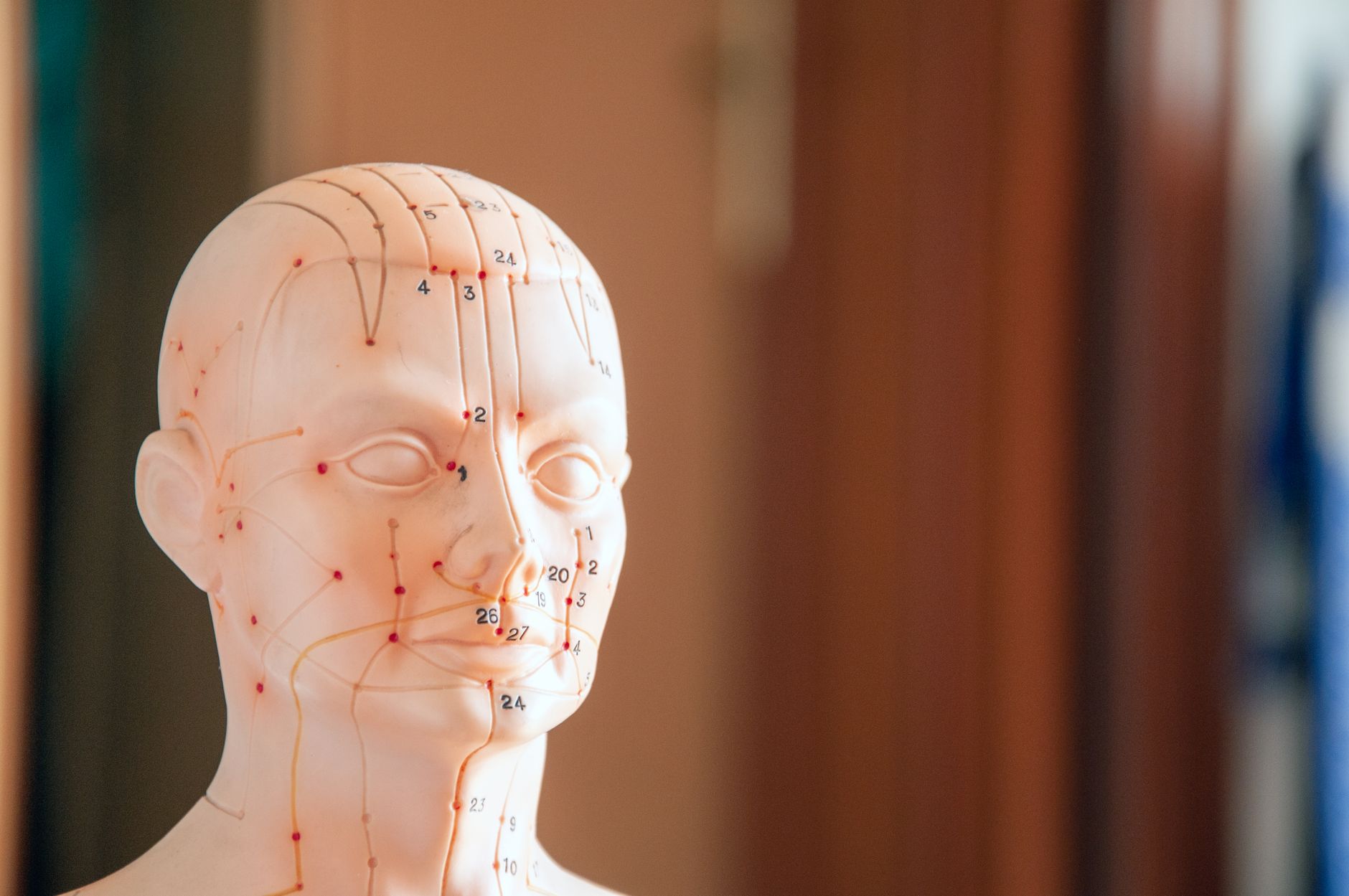
Why You Wake Up at the Same Time Every Night
Within the TCM framework, waking up at a consistent time each night is seen as a clue. It points to the organ system that is active during that window. The reasoning is that if an organ system is struggling — whether due to diet, stress, or an underlying imbalance — its energy may become “stuck” or agitated during its peak time.
This agitation can disturb your sleep. You might wake up briefly and fall back asleep, or you might stay awake for a while. The key detail is the consistency of the time. If it happens at 1:00 AM every night, that points to one organ system. If it happens at 3:00 AM, that points to another.
It’s important to note that this is not a diagnosis. In TCM, a practitioner would look at the full picture — your other symptoms, your lifestyle, your emotional state — before drawing any conclusions. But the Organ Clock provides a starting point for understanding what might be going on.
The Two Most Common Wake-Up Times
In my experience reading about this topic, two time windows come up again and again in people’s stories: 1:00–3:00 AM and 3:00–5:00 AM. These correspond to the Liver and the Lungs, respectively.
Waking Between 1:00 AM and 3:00 AM: The Liver
In TCM, the Liver is associated with the smooth flow of qi throughout the body. It’s also connected to emotions like anger, frustration, and stress. The Liver’s peak time is 1:00 AM to 3:00 AM.
If you consistently wake up during this window, the TCM explanation often involves Liver qi stagnation — a pattern where the Liver’s energy is not flowing smoothly. This can be linked to unresolved stress, suppressed emotions, or dietary factors like alcohol or rich foods consumed late in the evening.
Within this framework, the Liver is also responsible for storing blood during rest. If the Liver is imbalanced, it may have difficulty holding the blood, which can manifest as waking up during its peak hours.
Waking Between 3:00 AM and 5:00 AM: The Lungs
The Lungs are associated with the emotion of grief and with the body’s protective energy, called Wei Qi. Their peak time is 3:00 AM to 5:00 AM.
Waking up during this window is often linked, in TCM theory, to unresolved sadness, grief, or a feeling of being emotionally unsupported. It can also be connected to physical issues like asthma, allergies, or a weakened immune system.
Interestingly, this time window is also when many people experience the deepest part of their sleep cycle. Waking up here can feel particularly jarring because you’re being pulled out of a very restful state.
Other Time Windows and Their Meanings
While the Liver and Lung windows are the most commonly discussed, every two-hour segment has its own associations. Here’s a quick overview of the full cycle:
- 11:00 PM – 1:00 AM (Gallbladder): Associated with decision-making and courage. Waking here may relate to indecision or feeling “stuck” in life.
- 1:00 AM – 3:00 AM (Liver): As discussed — stress, anger, and qi stagnation.
- 3:00 AM – 5:00 AM (Lung): Grief, sadness, and immune function.
- 5:00 AM – 7:00 AM (Large Intestine): This is when the body is naturally preparing to eliminate waste. Waking here is often considered normal.
- 7:00 AM – 9:00 AM (Stomach): Peak time for digestion. Some people find that eating their largest meal earlier in the day feels supportive.
- 9:00 AM – 11:00 AM (Spleen): Associated with digestion and energy production. A good time for focused work.
- 11:00 AM – 1:00 PM (Heart): Peak time for circulation and joy. A short rest around noon is traditionally recommended.
- 1:00 PM – 3:00 PM (Small Intestine): Associated with absorption and discernment.
- 3:00 PM – 5:00 PM (Bladder): A time for storage and elimination. Often a low-energy point in the day.
- 5:00 PM – 7:00 PM (Kidney): Associated with vitality and fear. A good time for gentle movement.
- 7:00 PM – 9:00 PM (Pericardium): Associated with circulation and emotional protection.
- 9:00 PM – 11:00 PM (Triple Burner): A time for warmth and relaxation. Ideal for winding down before sleep.
What to Do If You Keep Waking Up at the Same Time
Within the TCM framework, the goal is not to force yourself back to sleep. It’s to address the underlying imbalance that may be causing the disruption. Here are some approaches that TCM practitioners might suggest, depending on the time window involved.
For Liver Time (1:00–3:00 AM)
Since the Liver is associated with stress and smooth qi flow, the recommendations often focus on reducing emotional tension. This might include gentle stretching in the evening, avoiding alcohol and heavy meals late at night, and finding ways to process frustration during the day. Some people find that drinking a small amount of warm water with a squeeze of lemon before bed feels supportive, though this is more of a general wellness practice than a specific TCM prescription.
For Lung Time (3:00–5:00 AM)
Because the Lungs are linked to grief and the immune system, the focus here is often on emotional release and respiratory health. This might involve practices like deep breathing exercises, journaling before bed to process emotions, or keeping the bedroom air fresh and slightly cool. Some TCM practitioners also recommend avoiding dairy or mucus-producing foods in the evening.
General Sleep Hygiene from a TCM Perspective
Beyond the specific time windows, TCM offers some general guidelines for better sleep. These include going to bed before 11:00 PM (when the Gallbladder time begins), eating dinner at least three hours before sleeping, and keeping the bedroom dark and quiet. The idea is to support the body’s natural rhythm so that qi can flow smoothly through the night.
What Modern Research Says
From a scientific perspective, the idea of an Organ Clock is not something that has been studied directly. There is no evidence that qi flows through organ systems on a two-hour schedule. However, researchers have looked at related phenomena.
Circadian rhythms — the body’s internal 24-hour clock — are well-documented. They influence sleep-wake cycles, hormone release, and even organ function. For example, the liver does have its own circadian rhythm, and its metabolic activity fluctuates throughout the day. Some studies have found that liver function peaks at certain times, though not in the same way TCM describes.
What’s interesting is that both frameworks — TCM and modern chronobiology — agree that the body operates on cycles. The difference is in how those cycles are mapped and explained. TCM uses a symbolic system based on organ associations and qi flow. Modern science uses measurable biological markers.
For now, the Organ Clock remains a framework for understanding patterns, not a scientifically validated model. But for many people, it offers a useful way to think about their sleep disruptions — and a starting point for making changes.
Frequently Asked Questions
Is the TCM Organ Clock scientifically proven?
No. The Organ Clock is a conceptual framework from classical Chinese medicine, not a scientifically validated model. However, the idea that the body operates on daily cycles is supported by research on circadian rhythms.
Can I fix my sleep by following the Organ Clock?
Some people find that adjusting their habits based on the Organ Clock — like eating earlier or managing stress — helps improve their sleep. But it’s not a guaranteed solution. If you have persistent sleep issues, it’s always a good idea to consult a healthcare professional.
Does everyone wake up at the same time every night?
No. Many people sleep through the night without disruptions. The Organ Clock is most relevant for those who experience consistent, unexplained wake-ups at a specific time.
Related TCM Concepts
- What Is Qi and How Does It Work?
- The Liver in TCM: Stagnation and Emotional Health
- The Lungs in TCM: Grief, Immunity, and Breath
- Circadian Rhythms and TCM: A Comparison
- How TCM Views Sleep and Insomnia